
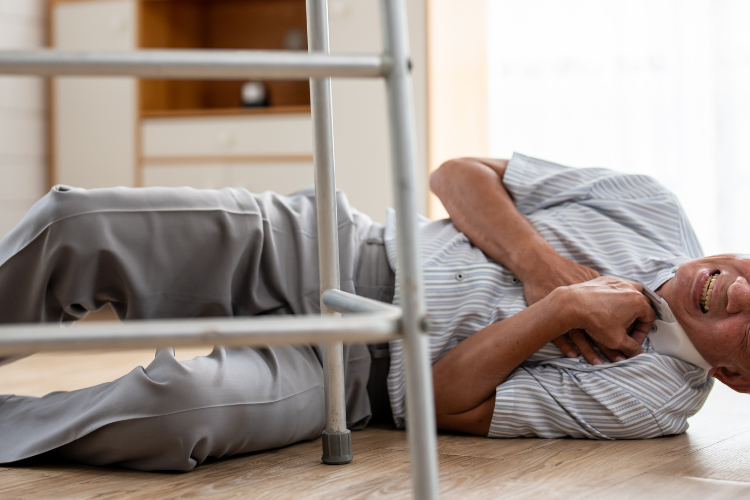
Slip and fall accidents can happen almost anywhere, including grocery stores, restaurants, office buildings, shopping centers, parking lots, and private properties. While some falls result in minor injuries, others can lead to broken bones, head trauma, back injuries, and long-term physical limitations. When an accident occurs because a property owner or another responsible party fails to maintain reasonably safe conditions, questions about legal responsibility may arise. Understanding who bears the blame is an important part of pursuing a slip and fall claim. PTTA SLIP AND FALL LAWYERS helps individuals understand the legal principles surrounding premises liability and personal injury cases.
Understanding Liability in Slip and Fall Accidents
Slip and fall liability generally falls under premises liability law. This area of law addresses the responsibilities of property owners, occupiers, and other parties who control or manage a property. Depending on the applicable laws, these individuals or organizations may have a duty to take reasonable steps to maintain safe premises and address hazardous conditions.
When someone suffers an injury because a dangerous condition was not properly addressed, the responsible party may be held financially liable. However, not every accident automatically creates a valid legal claim. The injured individual generally needs to establish that negligence occurred and that the negligence contributed to the injury.
Who May Be Responsible for a Slip and Fall Accident?
Determining responsibility requires examining where the accident occurred, who controlled the property, and whether reasonable safety measures were followed. Several parties may potentially be responsible.
1. Property Owners
Property owners may have a legal responsibility to maintain reasonably safe conditions on their premises. This can include repairing damaged flooring, addressing water leaks, maintaining stairways, and correcting other known hazards. If an owner fails to address a dangerous condition within a reasonable period, that failure may contribute to a premises liability claim.
2. Business Owners and Store Managers
Retail stores, restaurants, hotels, and other commercial establishments regularly welcome customers onto their premises. Their owners and operators may have responsibilities to identify and address hazards that could cause injuries. For example, failing to clean a liquid spill, leaving merchandise in a walkway, or neglecting damaged flooring may create unsafe conditions.
3. Property Management Companies
Property management companies often handle maintenance, inspections, repairs, and general property operations. If their responsibilities include addressing safety hazards, a failure to perform those duties may create potential liability. The specific obligations depend on management agreements, applicable laws, and the circumstances of the accident.
4. Maintenance and Cleaning Contractors
Third-party maintenance companies may also play a role in slip and fall incidents. Improper cleaning practices, failure to place warning signs around wet floors, or careless repair work can create dangerous conditions. Depending on the facts, a contractor may share responsibility for an accident.
Common Hazards That Lead to Slip and Fall Claims
Many slip and fall accidents involve preventable property hazards. Recognizing these conditions can help individuals understand how negligence may contribute to an injury.
Common examples include:
- Wet or slippery floors without appropriate warning signs.
- Uneven sidewalks, cracked pavement, and damaged walkways.
- Loose carpets, rugs, or floor coverings.
- Poor lighting in stairways, hallways, and parking areas.
- Broken steps, missing handrails, or damaged staircases.
- Snow, ice, or other slippery outdoor conditions.
- Objects, cables, or merchandise obstructing walking paths.
Property owners and responsible parties may need to take reasonable precautions based on the nature of their premises and the risks involved.
How Is Negligence Established in a Slip and Fall Case?
A successful premises liability claim generally requires evidence demonstrating that another party failed to meet an applicable duty of care. Although legal standards vary by jurisdiction, several important elements are commonly examined.
Duty of Care: The injured person must establish that the defendant owed them a relevant legal duty under the circumstances.
Breach of Duty: Evidence must show that the responsible party failed to take reasonable steps to address or prevent a dangerous condition.
Causation: The injured person generally needs to demonstrate that the unsafe condition and the defendant’s conduct contributed to the accident and resulting injuries.
Damages: The individual must establish that the accident caused actual harm, such as medical expenses, lost wages, physical pain, or other legally recognized losses.
Each element requires careful consideration of the available facts and applicable legal requirements.
What Evidence Can Help Determine Responsibility?
Evidence plays an important role in understanding how a slip and fall accident occurred. It can help establish the existence of a hazard, identify potentially responsible parties, and demonstrate the extent of the injuries.
Useful evidence may include:
- Photographs or videos showing the accident location and hazardous condition.
- Surveillance footage from nearby security cameras.
- Incident reports prepared by property owners or business employees.
- Statements from individuals who witnessed the accident.
- Medical records documenting injuries and treatment.
- Maintenance logs and inspection records.
- Receipts and employment documents showing financial losses.
Preserving relevant evidence as soon as possible can be important because hazardous conditions may be repaired, surveillance recordings may be deleted, and witness recollections may become less reliable over time.
Can an Injured Person Share Responsibility?
Not every slip and fall accident involves negligence by only one party. In some cases, the injured individual may also have contributed to the incident. For example, someone may have ignored visible warning signs or entered an area that was clearly restricted.
Depending on the jurisdiction, comparative negligence rules may reduce the compensation available to an injured person based on their percentage of responsibility. Some jurisdictions also apply different rules that may limit or prevent recovery under particular circumstances. Therefore, understanding local liability laws is essential when evaluating a claim.
Why Legal Guidance Matters in Premises Liability Cases
Slip and fall claims can involve complicated questions about property ownership, maintenance responsibilities, negligence, insurance coverage, and evidence. Insurance companies may examine the circumstances closely when evaluating whether a claim should be accepted or how much compensation may be appropriate.
An experienced premises liability lawyer can review the available information, identify potentially responsible parties, explain applicable legal requirements, and help injured individuals understand their options. Legal guidance may also assist with gathering documentation, communicating with insurance representatives, and evaluating settlement proposals.
PTTA SLIP AND FALL LAWYERS recognizes the importance of understanding the circumstances behind every accident. A careful review of the facts can help clarify whether a property owner, business operator, management company, or another party may bear legal responsibility.

Conclusion
Determining who bears the blame in a slip and fall accident requires more than identifying where someone fell. It involves examining the hazardous condition, the responsibilities of those controlling the property, the actions taken to prevent injuries, and the evidence connecting negligence to the harm suffered.
Individuals injured because of unsafe property conditions may have legal options worth exploring. PTTA SLIP AND FALL LAWYERS focuses on helping people understand slip and fall law, premises liability, and personal injury matters. Learning about your rights and seeking appropriate legal guidance can be valuable steps toward making informed decisions after an unexpected accident.